Homeowners across Askari’s sectors keep asking the same question once their solar bill doesn’t drop as much as expected: how often to clean solar panels installed on a Lahore rooftop actually needs answering, not guessing. Between construction dust from newer phases, diesel exhaust off the Cantt-adjacent roads, and Lahore’s notorious smog months, a system that looked spotless in March can be running at a real loss by June. This piece breaks down the real cleaning interval for Askari homes, what happens when you skip it, and how to tell your panels need attention before the bill does.
Why Askari’s Environment Speeds Up Dust Buildup
Askari’s residential sectors sit close to ongoing construction in newer phases, and that dirt does not stay on the ground. Dust accumulation on rooftop solar systems builds faster here than in older, fully developed parts of the city because cement and brick dust travel on the wind and settle on tilted panel surfaces within days, not weeks. Add Lahore’s agricultural burning season, typically running from October through February, and the fine soot layer compounds with existing grime instead of washing off in light rain.
Panels facing the main boulevards also collect a film of diesel exhaust residue from generator use and passing traffic, which behaves differently from plain dust and needs more than a splash of water to remove. A homeowner in Askari 10 dealing with a half-finished plot two streets over will see faster buildup than a neighbor in an older, greener sector.
Cleaning Frequency That Actually Works for Askari Homes
For most Askari rooftops, cleaning every 3 to 4 weeks during dry months and every 6 to 8 weeks during monsoon season keeps panel efficiency close to its rated output. How often to clean solar panels changes with the season more than most installers admit upfront, and treating it as a fixed, one-size schedule is where homeowners quietly lose money.
During Lahore’s smog season, when fine particulate matter sits in the air for weeks at a stretch, shortening the interval to every 2 to 3 weeks makes a measurable difference. Systems installed on flat or low-pitch roofs, common across several Askari sectors, collect dust faster than steeply angled panels because gravity does less of the work.
The Real Cost of Skipping a Cleaning Cycle
Skipping even two consecutive cleaning cycles can drop energy output by 15 to 25 percent on a dust-heavy rooftop, based on typical residential performance during Punjab’s dry months. That is not a marginal dip; on an average 5kW residential setup, it can mean the difference between a system paying for itself in five years or seven.
The efficiency loss rarely shows up as a dramatic failure. It shows up as a slightly higher WAPDA bill each month, and by the time most homeowners notice, the panels have already been running below capacity for weeks.
Run the numbers on a typical Askari household paying somewhere between fifteen and twenty-five thousand rupees a month for electricity, and a sustained 20 percent drop in energy output pushes real money back onto the grid bill every single month. Over a full smog season, that gap adds up faster than most homeowners expect when they first go solar.
Professional Cleaning vs Doing It Yourself
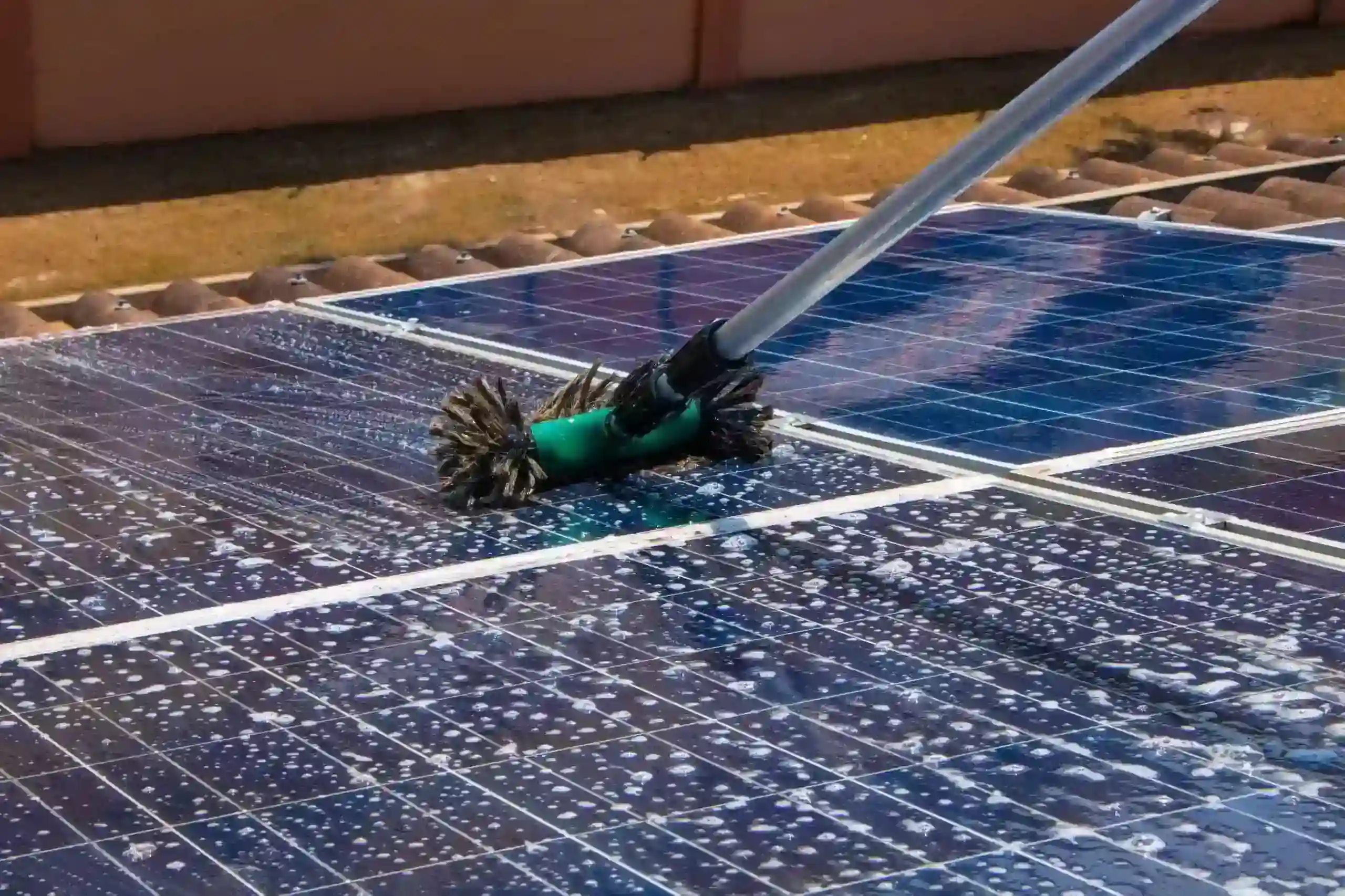
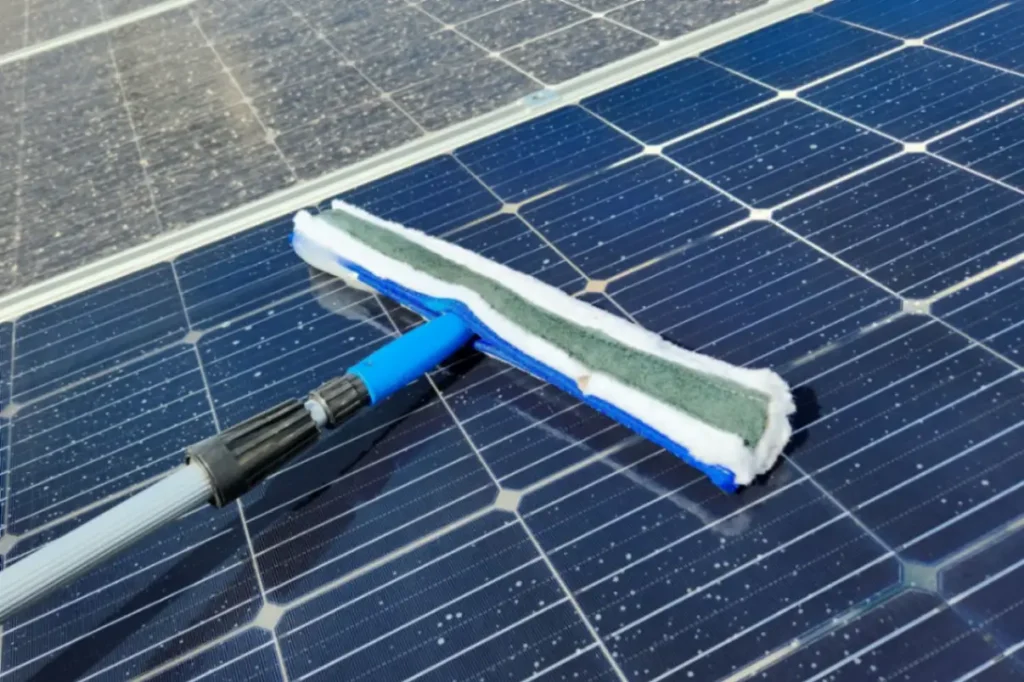
Professional cleaning protects a panel’s anti-reflective coating in a way a garden hose and a squeegee usually cannot. Residential solar maintenance done incorrectly, using hard tap water or abrasive cloths, leaves mineral spots and micro-scratches that reduce light absorption permanently, not temporarily.
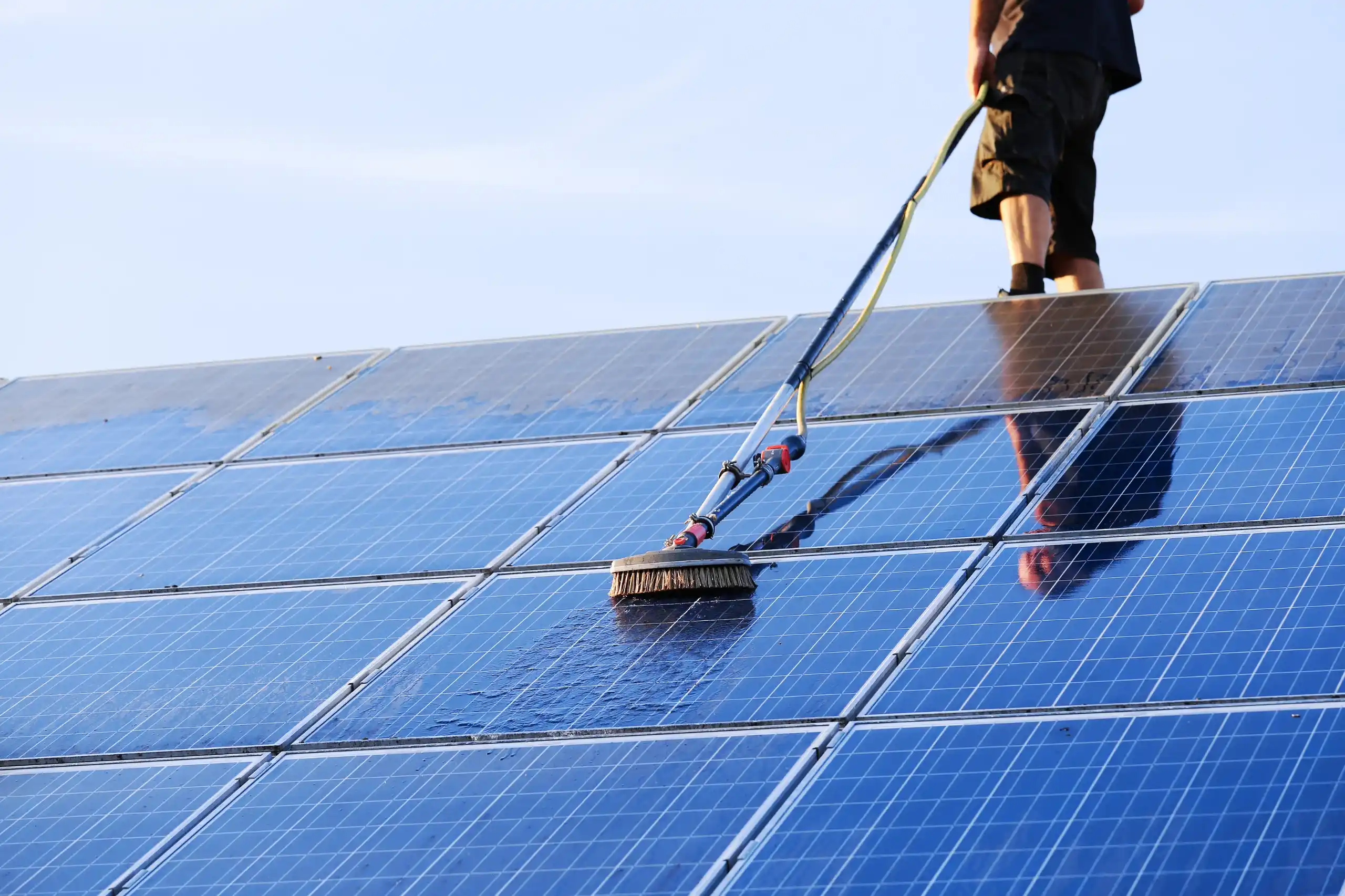
Rooftop access on Askari’s bungalow-style homes often means a steep ladder climb over an inverter and wiring setup, and DIY cleaning here carries a real electrical safety risk if the system isn’t properly isolated first. A trained technician checks connections, wiring, and mounting hardware during the same visit, catching a loose bracket or fraying cable before it turns into a bigger repair.
Homeowners weighing the two options can compare turnaround time and pricing with a professional solar panel cleaning service in Askari before deciding whether the DIY route is actually worth the risk.
Signs Your Panels Need Attention Now
A visible haze or yellow-brown film across the panel surface is the clearest sign cleaning is overdue. Bird droppings, common near Askari’s tree-lined streets, create shaded patches that can drag down an entire panel string’s output rather than just one cell.
Other signs include a monthly bill that has crept up without any change in household usage, or an inverter app reading lower generation than the same month last year. Any one of these on its own is worth a look; two together usually mean it has been too long already.
Homes closer to the canal-facing sectors of Askari tend to collect more pollen and leaf debris alongside the usual dust, which builds a stickier film that plain rainwater struggles to shift on its own.
Keeping Askari Rooftops Performing Through Every Season
A Lahore rooftop isn’t a one-time installation you forget about once the panels go up. Askari’s mix of active construction dust and seasonal smog means how often to clean solar panels here has to flex with the calendar, not sit fixed on some generic schedule copied from a manual written for a different climate.
AfinitySolar has cleaned enough rooftops across Askari’s sectors to know that the homeowners who stay closest to their expected output are the ones who treat cleaning as routine maintenance, not an afterthought. Getting the timing right protects the investment far more than any single deep clean ever could.
Frequently Asked Questions
How often should solar panels be cleaned in Askari, Lahore?
How often to clean solar panels in Askari comes down to season more than anything else: every 3 to 4 weeks in dry months, every 6 to 8 weeks during monsoon, and every 2 to 3 weeks during smog season from October through February.
Does dust really reduce solar panel output that much?
Every three to four weeks is a solid baseline for most Lahore rooftops. Tighten that to every two weeks during the winter smog season, and loosen it slightly during monsoon when rain helps. A steady panel maintenance schedule protects your solar panel efficiency far better than an occasional deep clean.
Can I just wait for rain to clean my panels?
Yes. Heavy dust accumulation left uncleaned for a full cycle or two can cut energy output by 15 to 25 percent on an average residential system. The loss is gradual, so it usually shows up as a higher electricity bill rather than a sudden drop in performance.
Can I clean my own solar panels instead of hiring someone?
Basic surface dust can be wiped carefully with soft, non-abrasive materials and clean water, but hard tap water and rough cloths tend to leave mineral spots and micro-scratches over time. Professional cleaning also includes a check of wiring and mounting hardware, which most homeowners aren’t equipped to inspect safely from a rooftop.
Why do panels near Askari’s main roads get dirtier faster?
Panels facing busy boulevards collect diesel exhaust residue on top of regular dust, and that combination doesn’t rinse off with light rain the way plain dust does. Homes near active construction phases in newer Askari sectors see the same accelerated buildup from cement and brick dust carried on the wind.
How do I know my solar system needs cleaning without climbing the roof?
A rising WAPDA bill with no change in household usage, or an inverter app showing lower generation than the same month last year, are both reliable signs from ground level. If either shows up alongside visible shading from bird droppings or dust streaks, residential solar maintenance is likely overdue.