If you have panels on your roof in Lahore, you have probably watched a grey film settle over them within a week of the last wash. That is exactly why people start asking whether solar panel cleaning benefits are real or just a pitch from a guy with a squeegee. Short answer: in this city, they are very real.
Dust here does not politely wait its turn. Between construction sites, brick kilns, and the haze that rolls in every autumn, panels collect a coating that quietly eats into how much power you make. This article breaks down how much you actually lose, when rain saves you, when it doesn’t, and how to keep your numbers where they should be.
No fluff. Just what moves the needle on your roof.
Do dirty panels actually change your output?
Yes, dirty panels lower your output, and in Lahore the drop lands harder than the national average. A layer of dust and smog buildup blocks sunlight before it ever reaches the cells, so your panels convert less of what hits them.
In dry, dusty climates, an uncleaned array can shed anywhere from 15% to 30% of its energy output across a few dusty months. Clean glass lets light pass straight through. A caked film scatters it and turns part of your production into nothing.
During Lahore’s pre-monsoon stretch from April to June, when it barely rains, that loss compounds week after week. You do not notice it in a single day. You notice it on the month-end reading.
Why do Lahore panels get dirty so fast?
Lahore panels get dirty faster because the air carries more particulate matter than almost anywhere else in the country. Fine dust, vehicle soot, and seasonal grime settle on any flat surface, and a tilted rooftop solar system is a perfect landing pad.
The winter smog season, roughly October through February, is the worst offender. Those particles are sticky. They bond with morning dew to form a dull haze that a light breeze simply cannot shift. Add the odd bird dropping, and one panel can underperform the rest of the string.
This is the part most owners underestimate. It is not one big mess. It is a slow, invisible layer that thickens while you are not looking.
How much are dirty panels actually costing you?
Dirty panels cost you real money every month, not just a percentage on a chart. If your system usually trims 8,000 rupees off your monthly electricity bills, a 20% efficiency loss quietly hands roughly 1,600 of that straight back to the grid.
Clean panels restore that margin. Given how hard a rooftop solar system works to shield you from rising tariffs and load-shedding, letting grime erode a fifth of your solar panel efficiency defeats the entire reason you installed it.
Think of it this way: you paid the full price for the equipment. Grime makes you rent back a chunk of its performance for free.
Does rain clean your panels for you?
Rain helps, but it rarely finishes the job, especially outside the rainy season. A hard monsoon downpour in July or August can rinse off loose dust, yet it dries into streaks and mineral spots that still block light.
A light winter drizzle is worse than nothing. It turns settled dust into a muddy film that bakes into stubborn patches once the sun comes out. So leaning on the sky for your panel maintenance only works for maybe two months of the year in Lahore.
Treat rain as a bonus rinse, never your full cleaning plan.
How often should you clean panels in Lahore?
For most Lahore rooftops, cleaning every three to four weeks keeps output steady, and once you see the solar panel cleaning benefits on your meter, that schedule justifies itself. Consistency beats one dramatic scrub a year.
During the smog-heavy winter months, tighten it to every two weeks. In the wetter monsoon weeks, you can stretch the gap a little. A simple panel maintenance rhythm tied to the season protects your production far better than cleaning only when panels look filthy, because by then you have already lost weeks of power.
Set a reminder. Your future bill will thank you.
How do you clean panels without damaging them?
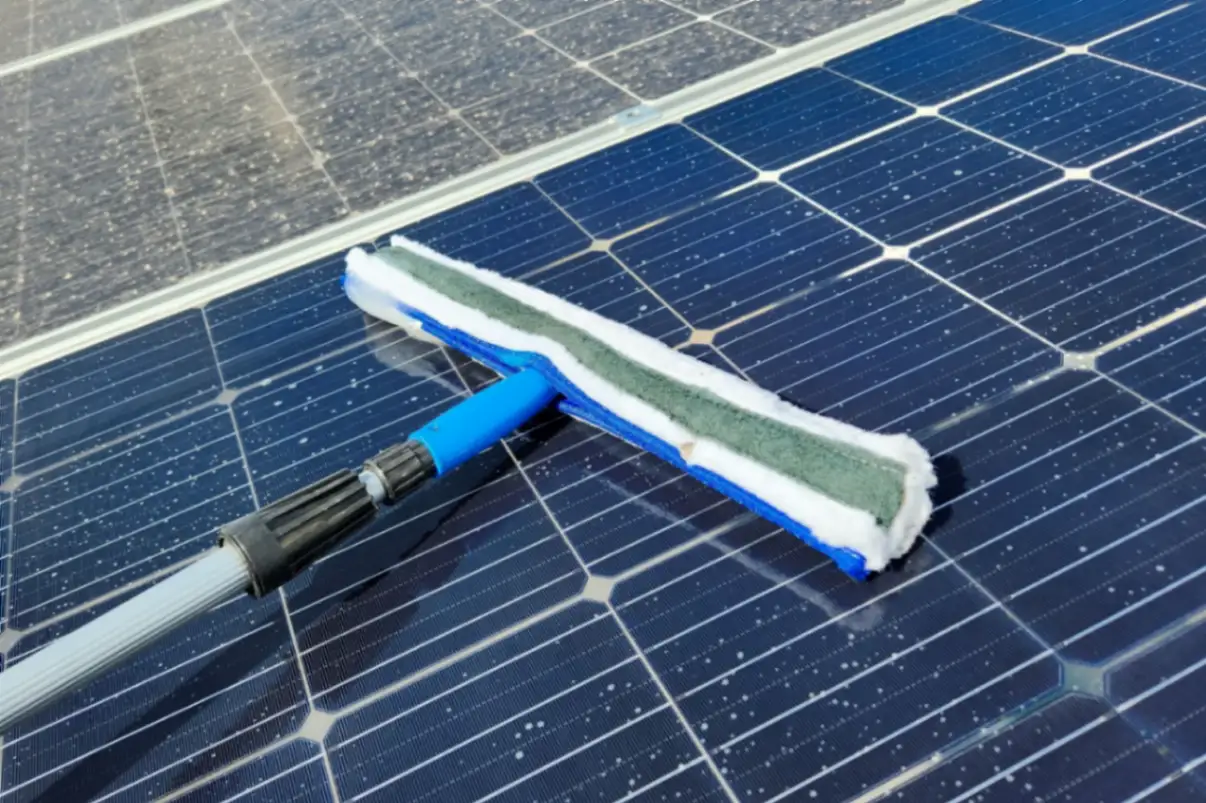
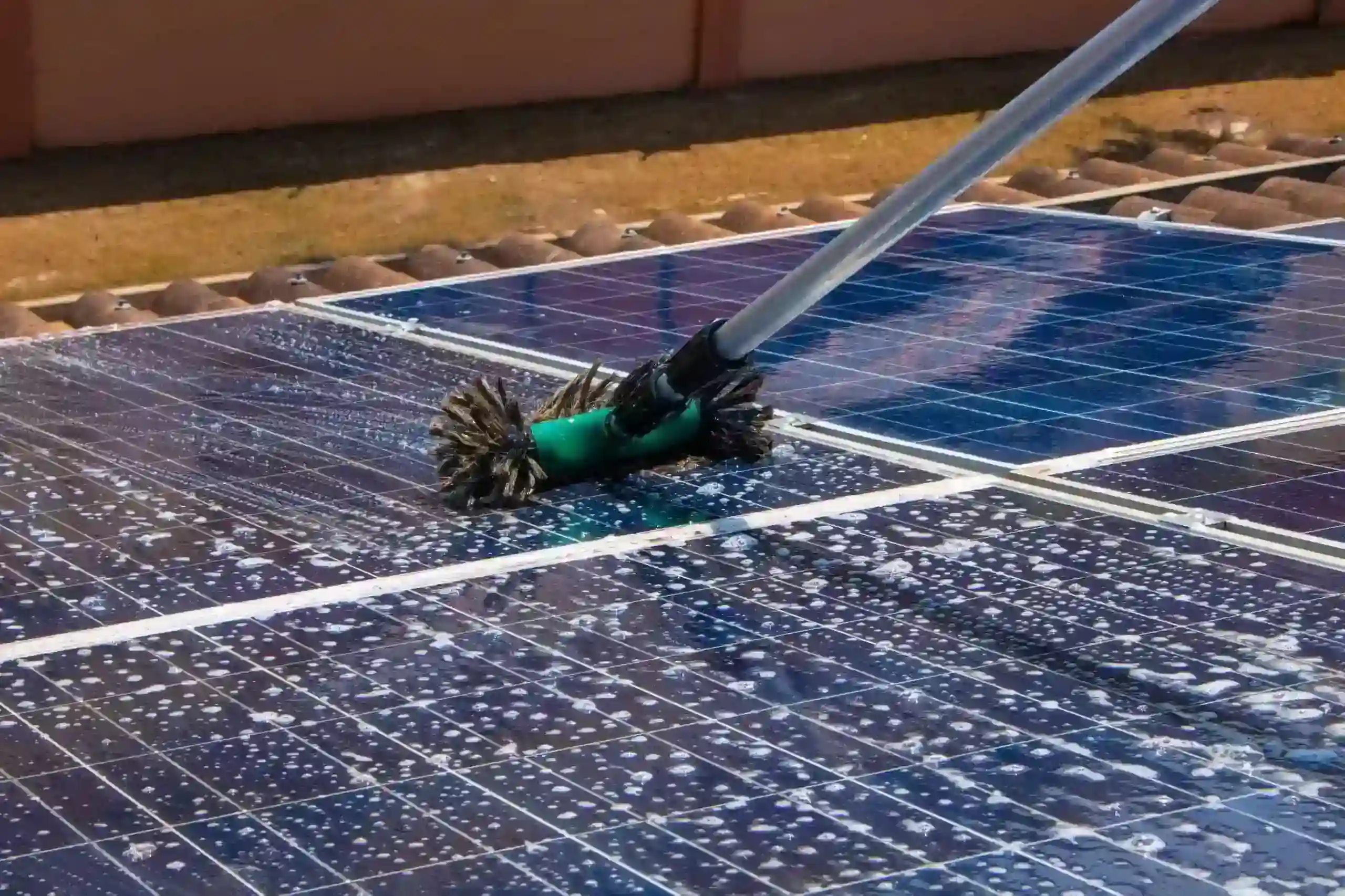
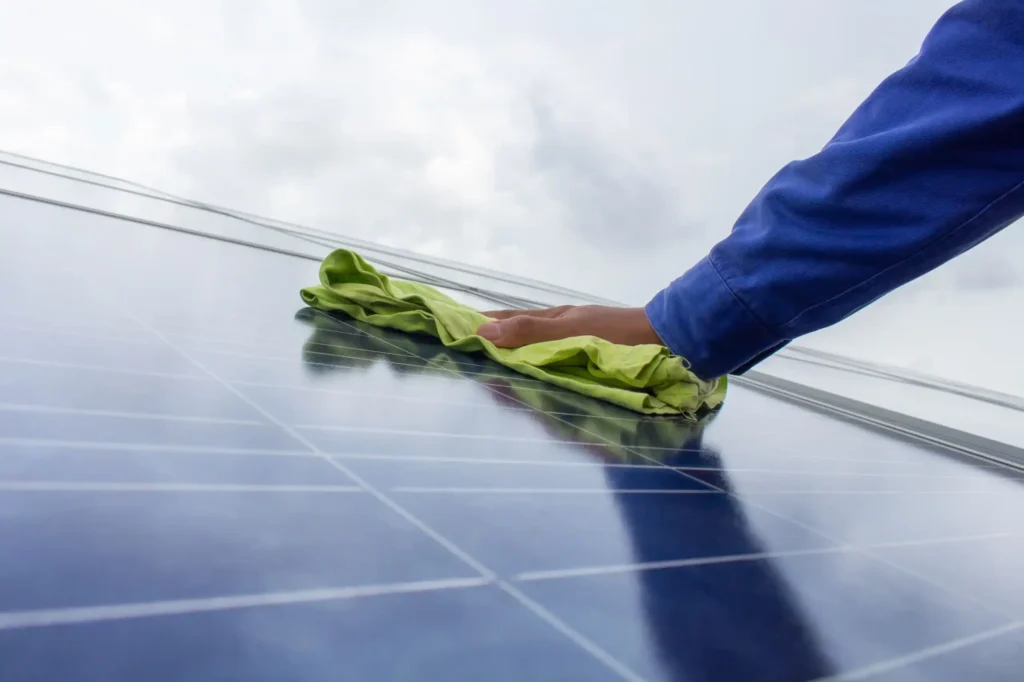
Clean panels early in the morning or after sunset, using soft water and a soft brush or cloth, and never a metal scraper on hot glass. Cold water on a sun-baked panel can crack it, so timing matters as much as effort.
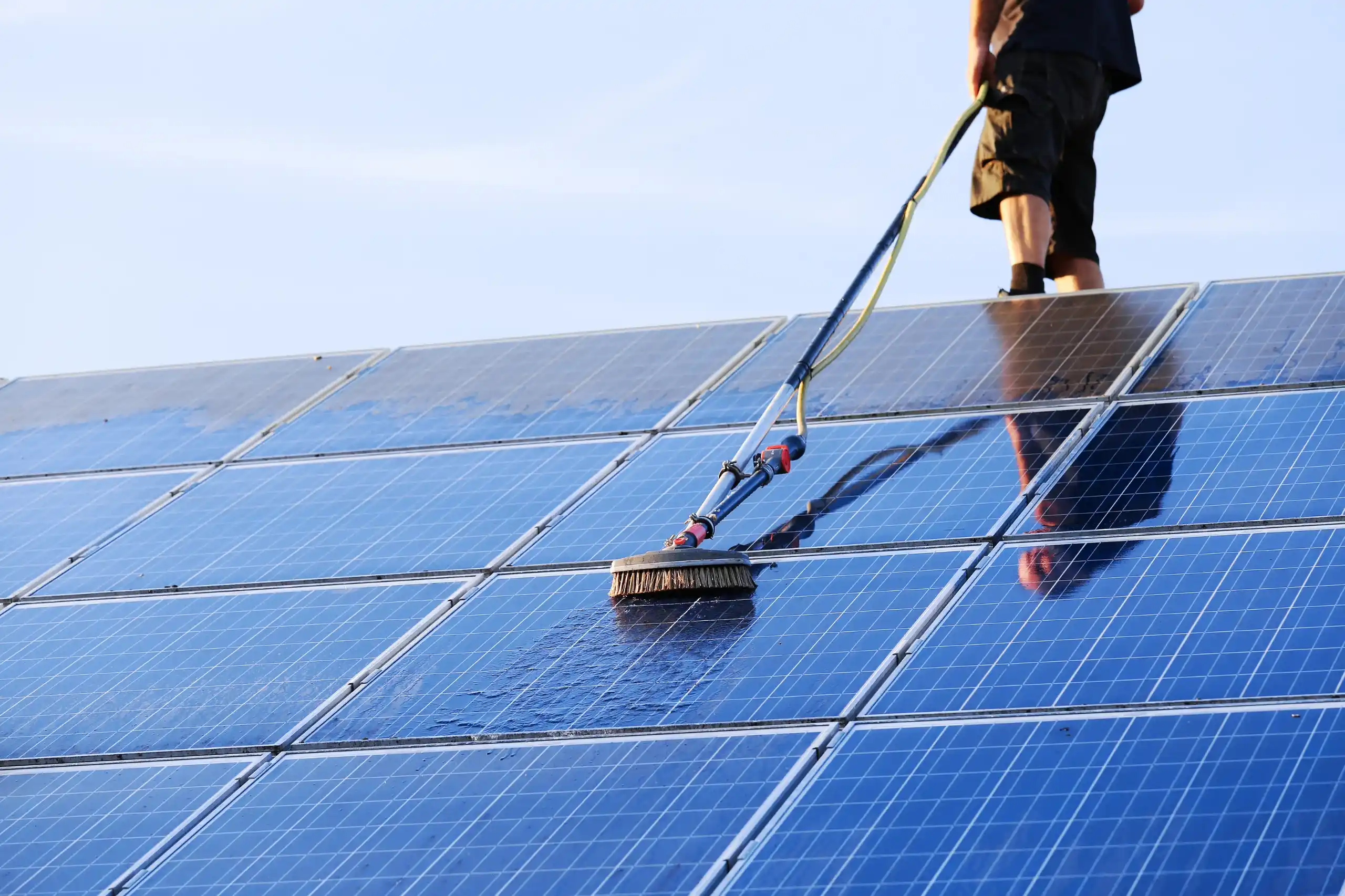
Skip harsh detergents and pressure washers, which can force water past the seals and reach the wiring. Low-mineral water helps you avoid the white spots that hard tap water leaves behind. For a large or high-set array, professional cleaning is safer and faster, and trained crews like the ones AfinitySolar sends out handle roof access and wiring without putting your warranty at risk.
This is where the real solar panel cleaning benefits show up: steady production with zero damage to the glass.
Final thoughts
Cleaning your panels in Lahore is not busywork. It is the cheapest way to protect an expensive investment against a climate that fights it every single week. The dust here is relentless, and every grey week shaves a slice off your energy output and your savings.
Keep a light, seasonal schedule, lean on rain when it genuinely helps, and book a proper wash before and after the rainy season. Do that, and your rooftop solar system keeps paying you exactly what it promised on day one.
Frequently Asked Questions
Does cleaning solar panels really increase power output?
Yes. Removing dust and smog buildup lets more sunlight reach the cells, which lifts production immediately. In dusty conditions like Lahore’s, a clean array can recover a noticeable share of the energy output lost to grime, often in the 15% to 30% range after a heavy dusty spell.
How often should I clean my solar panels in Lahore?
Every three to four weeks is a solid baseline for most Lahore rooftops. Tighten that to every two weeks during the winter smog season, and loosen it slightly during monsoon when rain helps. A steady panel maintenance schedule protects your solar panel efficiency far better than an occasional deep clean.
Can I just wait for rain to clean my panels?
Not reliably. Heavy monsoon rain rinses off loose dust but leaves streaks and mineral spots, while light drizzle turns dust into mud. Outside the rainy season, rain does almost nothing useful, so it should support your cleaning routine, not replace it.
What is the best time of day to clean solar panels?
Early morning or after sunset, when the glass is cool. Cleaning hot panels with cold water risks thermal cracks, and midday sun dries water into spots before you can wipe it. Cooler hours give you a cleaner finish and protect the panels.
Is professional solar panel cleaning worth the cost?
For high, large, or hard-to-reach arrays, usually yes. Professional cleaning handles roof safety, wiring, and warranty-safe methods that a quick DIY wipe often misses. Weighed against the money a dirty system quietly adds to your electricity bills, the cost of a proper clean is easy to recover.