If your solar system in DHA isn’t producing the way it did the week it was switched on, dirt on the panels is usually the first thing to check — long before you blame the inverter or the wiring. Plenty of homeowners here only start looking for a Solar Cleaning Company in DHA after their electricity bill quietly creeps back up. This guide explains why that happens, how much dirty panels actually cost you, and how to decide whether you need a professional or just a free Sunday morning.
DHA sits in one of the dustiest, smoggiest corners of Lahore, and that environment is hard on rooftop panels in ways most people underestimate. Once you understand how dirt builds up here, the rest of the decisions get easier.
Why solar panels in DHA get dirty faster than you’d expect
In a dry Lahore winter, weeks can pass without a drop of rain to rinse anything off a rooftop. Fine dust settles overnight, the morning dew turns it into a thin paste, and the sun bakes that paste onto the glass. Repeat that for a month and you have a dull film that no longer brushes away with a dry cloth.
The newer DHA phases make this worse. Around Phase 8 and 9, ongoing construction throws cement and sand into the air almost constantly, and a fair share of it lands on every rooftop nearby. If you live a street or two from an active plot, your panels are collecting more than your neighbour’s in a settled, older block.
Then comes smog season. From roughly October to January, Lahore’s air carries heavy particulate matter, and a lot of it eventually settles on flat-mounted modules. Add bird droppings, which create hard spots that block light entirely, and washing solar panels stops being a nice-to-have and becomes ordinary upkeep, like cleaning a water tank or servicing an AC.
How much dirt actually costs you in lost power
A clean panel turns sunlight into electricity efficiently. A dirty one simply doesn’t, and the loss is bigger than most people guess. In dusty climates similar to Punjab, heavy soiling during long dry spells can cut output by 15% to 25%, though most homeowners notice the problem somewhere in the 5% to 10% range first.
Put that in real terms. On a 10 kW rooftop system — a common size for a standard DHA house — even a 10% drop is meaningful over a billing cycle, and it bites hardest in summer when you’re leaning on solar to offset AC load. The frustrating part is how invisible it stays. Nothing breaks, no alarm goes off; the system just earns you a little less every sunny day. Closing that quiet gap is the whole reason a Solar Cleaning Company in DHA exists, and it’s why ignoring a hazy panel slowly eats into the savings you bought the system for.
Cleaning the panels yourself versus calling a professional
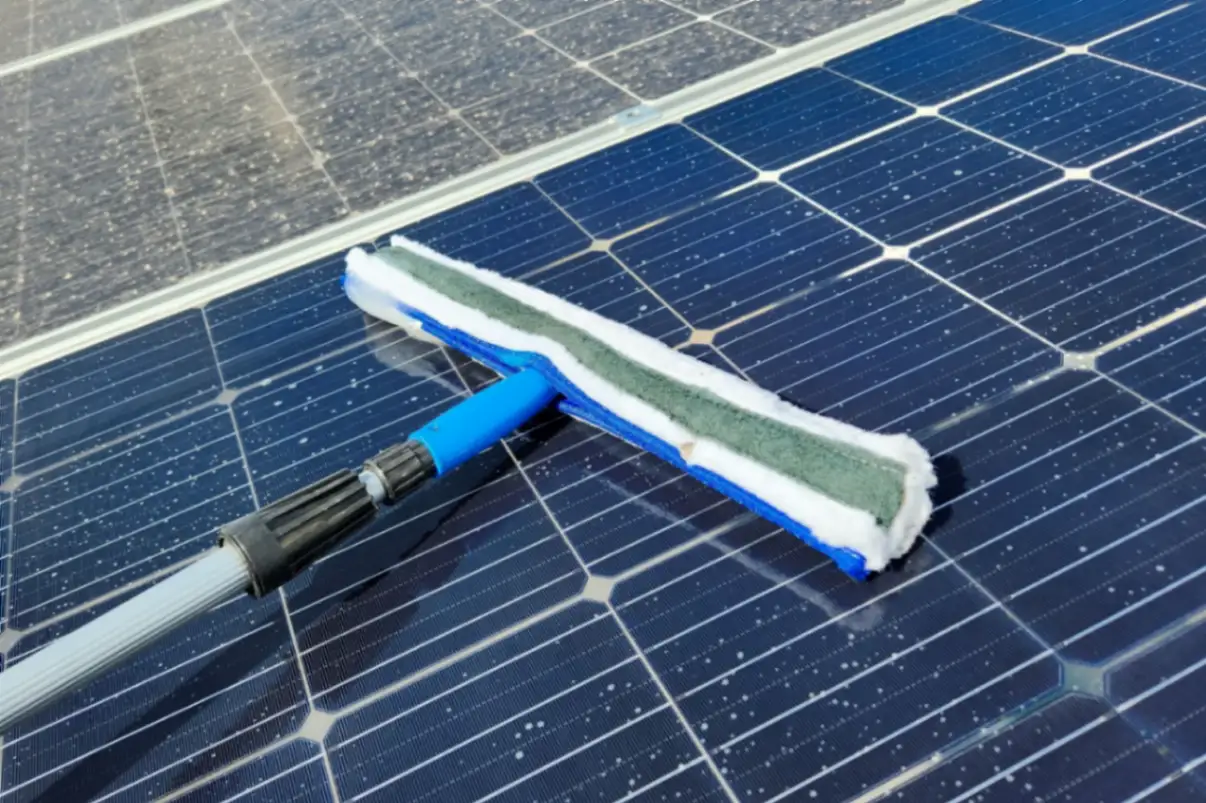
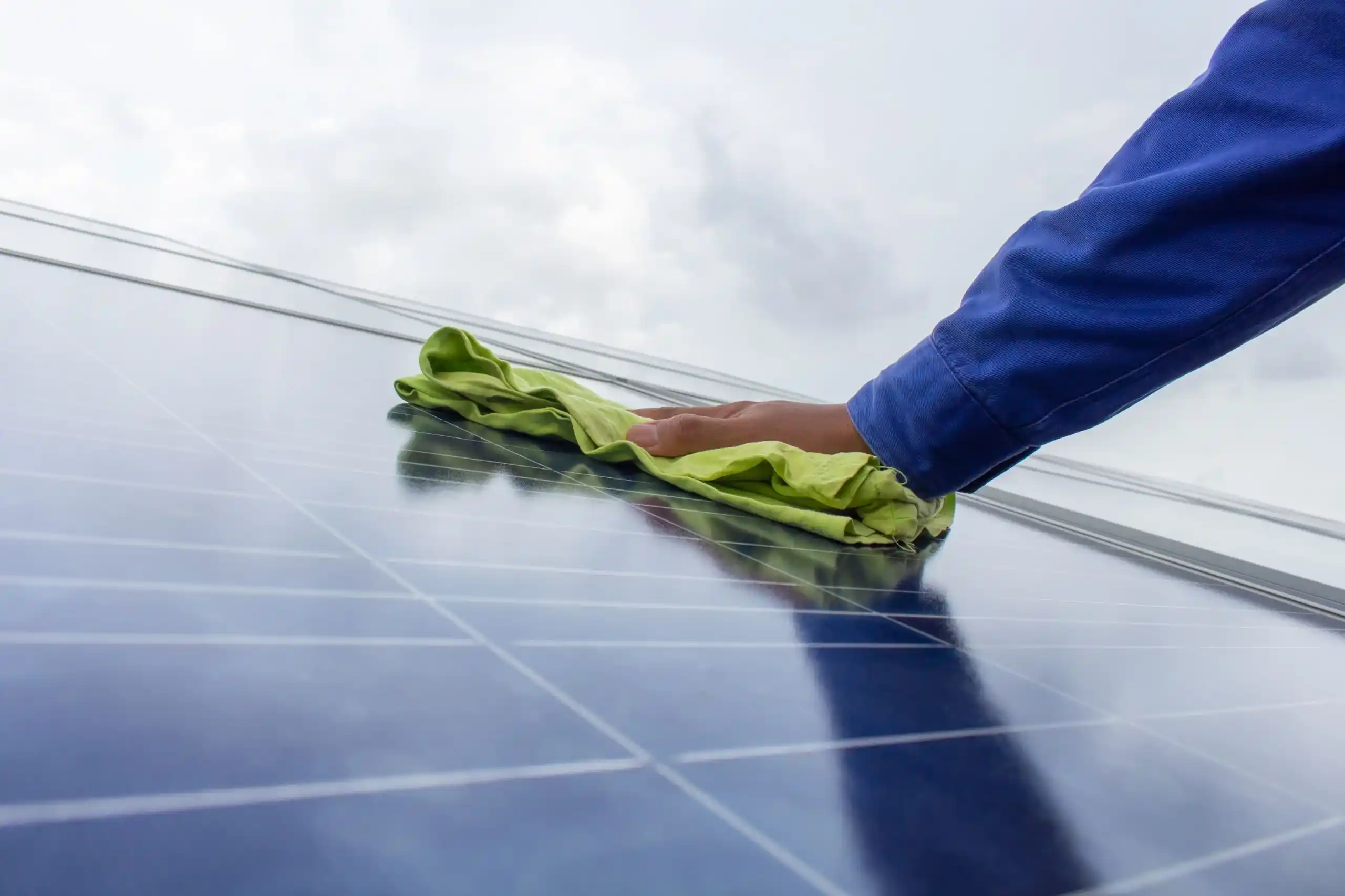
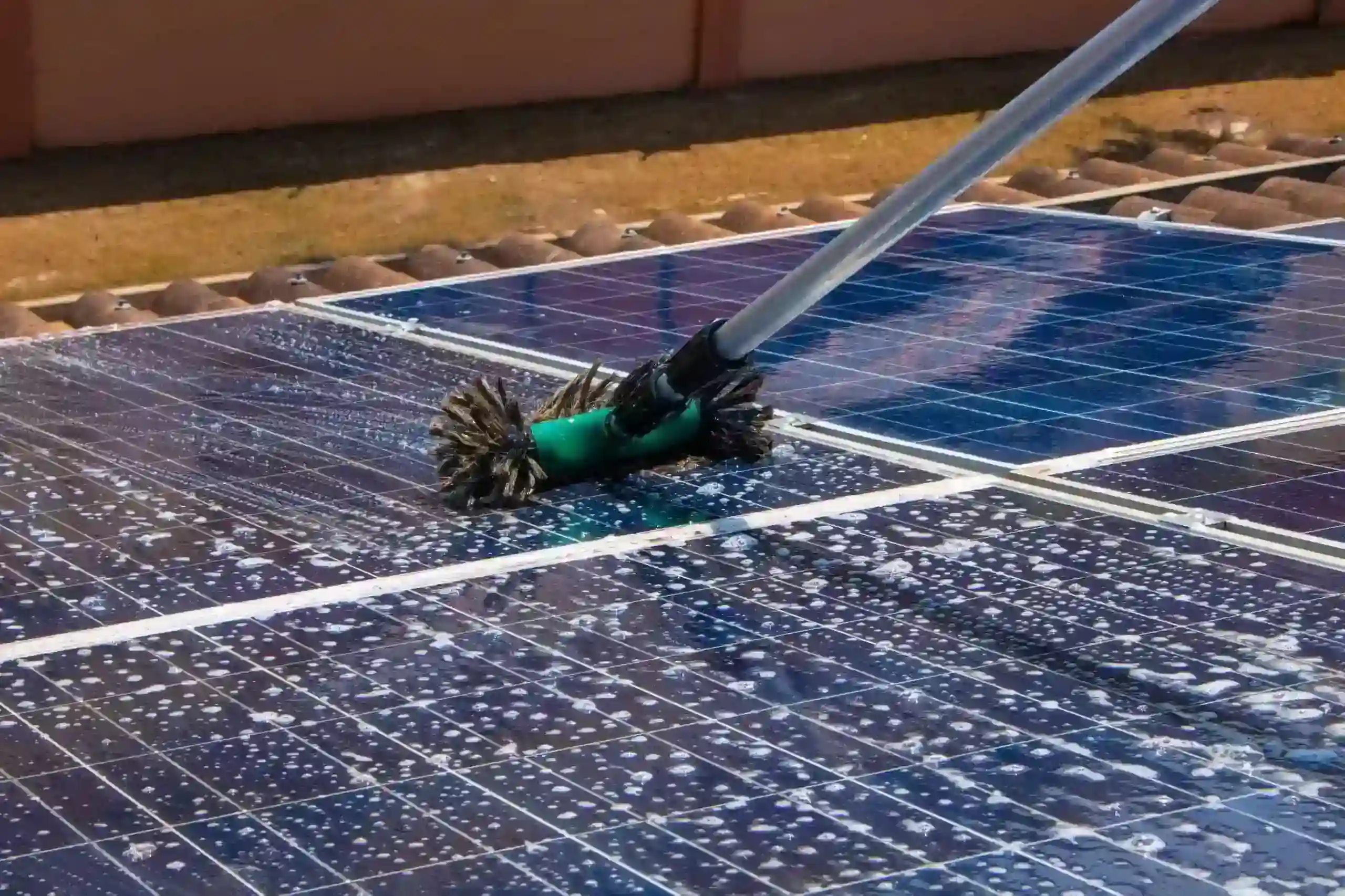
You can clean panels yourself, and for a small, easily reachable system it sometimes makes sense. The basics of solar plate cleaning aren’t complicated: soft water, a soft brush or squeegee, no harsh chemicals, and early morning or evening when the glass is cool. Done carefully, it works.
The risks are where people get caught out. Lahore’s tap water is hard, and when it dries on the glass it leaves chalky mineral marks that block light almost as effectively as the dust you just removed. Spraying cold water onto panels that have been baking in 45°C heat can crack the glass through thermal shock. And climbing around a sloped rooftop with a wet hose is a genuinely common way to get hurt. This is where hiring a Solar Cleaning Company in DHA starts to earn its fee — not because the job is impossible, but because doing it badly can cost more than the dirt did.
What a professional cleaning service actually involves
A proper visit looks nothing like a quick DIY rinse. In DHA most solar cleaning services begin by inspecting the panels for cracks, loose clamps, and hot spots before any water touches the glass, because cleaning a damaged module can quietly make the damage worse.
Water quality is the next big difference. Good crews use deionised or purified water rather than tap water, so it dries clean and leaves no chalky residue behind. That single choice is usually what separates a professional finish from a streaky home job that looks worse once it dries in the sun.
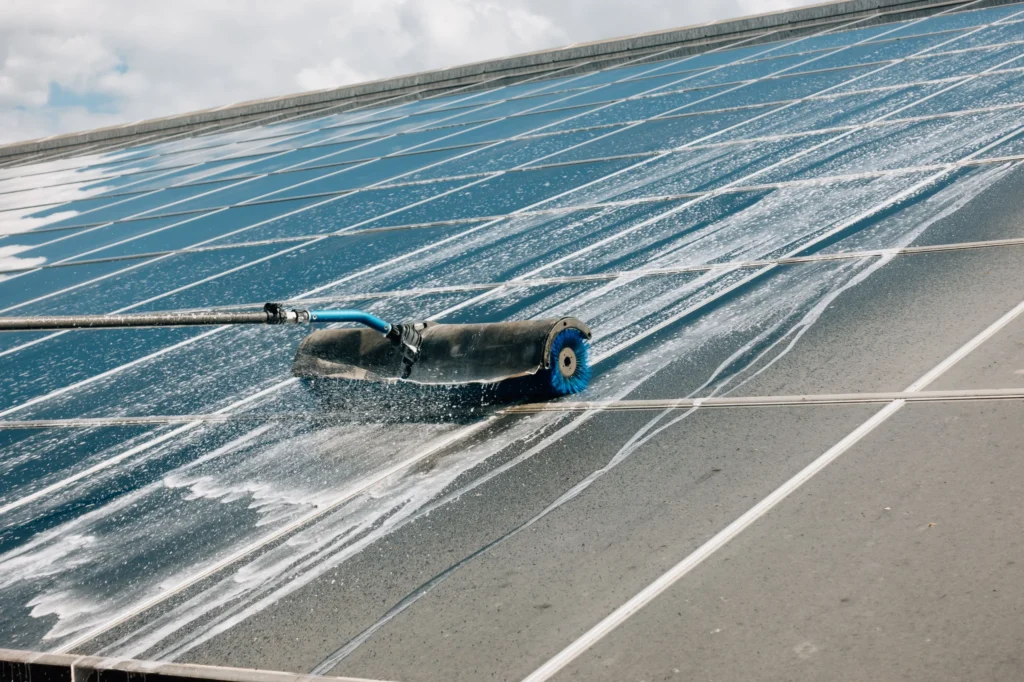
On larger or hard-to-reach rooftops, some teams bring a solar washing machine — essentially a rotating brush system fed with purified water — to clean evenly without anyone standing on the modules. Companies like AfinitySolar tend to pair that kind of equipment with a short performance check afterwards, so you actually learn whether dirt was the problem or whether something electrical was hiding underneath the haze.
Choosing a solar cleaning company isn’t only about the wash itself, either. The inspection, the water they use, and whether the crew knows how to move across a roof without cracking cells all matter more than the lowest number on a quote.
How often should you clean panels in Lahore’s climate
How often depends on exactly where in DHA you live and what surrounds you. As a rough guide, most rooftop systems in Lahore do well with a thorough clean every two to three months, with extra attention during smog season and the dry weeks before monsoon.
Location shifts that schedule a lot. Near active construction in the newer phases, you may need a clean closer to monthly. In an established, greener part of DHA with less airborne dust, every three to four months can be plenty. The most honest test, though, is your own data. If your inverter app shows output dipping on clear, cloudless days, the glass is almost certainly overdue — panels don’t lose power on sunny afternoons unless something is sitting on top of them.
Keeping your system worth what you paid for it
Dirty panels are one of the most common and most overlooked reasons solar systems in Lahore underperform, and the fix is usually simpler than people fear once they understand the cause. Whether you handle the occasional rinse yourself or call in a Solar Cleaning Company in DHA for the heavier work, the aim is the same: keep the glass clean enough that you’re getting every unit of power your system was sized to produce.
Watch your production through smog season, keep an eye out after dusty spells, and don’t let mineral stains or bird droppings sit for weeks. A panel that looks only slightly hazy from the ground is almost always losing more than it appears to — and on a Lahore rooftop, that haze comes back faster than you’d like.